
Simpson Pressure Washer Manual: A Comprehensive Guide
Navigating pressure washer issues? This guide assists with troubleshooting, from unloader valve replacements to engine diagnostics, ensuring optimal cleaning performance and longevity.
Simpson pressure washers are renowned for their durability and performance, serving both residential and commercial cleaning needs. Understanding your machine is crucial for safe and effective operation. This guide provides a comprehensive overview, covering everything from basic operation to advanced troubleshooting. Many users encounter issues like pressure loss, often stemming from components like the unloader valve – a common point of failure requiring replacement with attention to o-ring placement and proper tightening.
Regular maintenance, including nozzle checks and hose inspections, prevents blockages and ensures consistent water flow. Addressing engine starting problems requires systematic checks of the fuel system and spark plug. Remember, detailed model-specific information is vital; consulting official Simpson manuals and support resources is always recommended for optimal results and to avoid costly repairs or premature replacement.
Understanding Your Simpson Pressure Washer Model
Each Simpson pressure washer model possesses unique specifications and features. Identifying your specific model number is the first step towards effective maintenance and repair. This number, typically found on a plate affixed to the machine, unlocks access to tailored manuals and parts diagrams. Variations exist in engine type, pump capacity (measured in GPM – gallons per minute), and maximum pressure (PSI – pounds per square inch).
Knowing these specifications informs nozzle selection and appropriate cleaning applications. For instance, a lower GPM model is suitable for lighter tasks, while higher PSI is ideal for stubborn grime. Common issues, like those involving the unloader valve or engine starting, often have model-specific solutions. Always refer to your model’s documentation for accurate guidance and avoid generalizations.
Safety Precautions and Operating Instructions
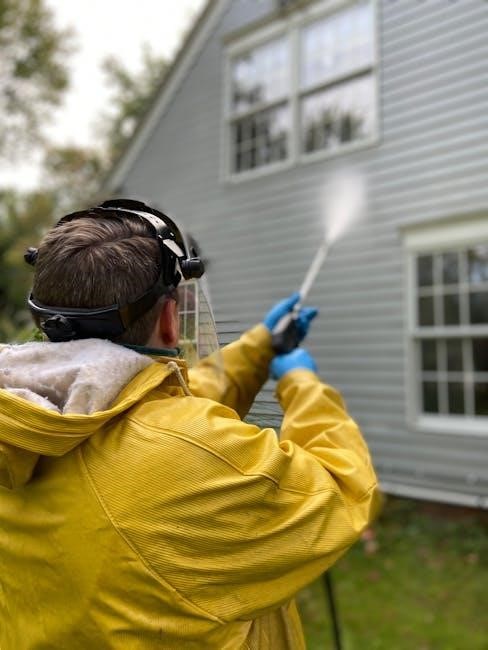
Prioritize safety when operating your Simpson pressure washer. Always wear safety glasses to protect your eyes from debris. Avoid directing the spray at people, animals, or electrical connections. Ensure a stable footing and maintain a safe distance from the work surface. Never modify the pressure washer or use incompatible parts – this can lead to malfunctions and injury.

To start, connect the water supply and ensure it’s fully pressurized. Prime the pump according to your model’s instructions. Start the engine following the manufacturer’s guidelines. Select the appropriate nozzle for your cleaning task, starting with a wider angle to avoid damage. Regularly inspect hoses and connections for wear and tear. Disconnect the power source and water supply before performing any maintenance.
Component Overview: Key Parts of Your Pressure Washer
Understanding your Simpson pressure washer’s components is crucial for maintenance and repair. The engine provides the power, typically gasoline-fueled, driving the pump. The pump generates high-pressure water. The unloader valve regulates pressure, preventing damage. Hoses deliver water from the pump to the wand, and interchangeable nozzles control spray patterns.
Key parts also include the water inlet filter, protecting the pump from debris, and the detergent tank for applying cleaning solutions. The recoil starter initiates the engine, while the spark plug ignites the fuel-air mixture. Regularly inspect these components for wear, damage, or blockages to ensure optimal performance and extend the life of your pressure washer. Familiarize yourself with their locations for easier troubleshooting.

The Engine: Powering Your Clean
The engine is the heart of your Simpson pressure washer, providing the necessary power to drive the pump and generate high-pressure water. Typically, these are single-cylinder, air-cooled, four-stroke gasoline engines. Proper engine maintenance is vital for reliable operation.
Regularly check the oil level and change the oil according to the manufacturer’s recommendations. A clean air filter ensures efficient combustion. Inspect the spark plug for fouling and replace it as needed. Fuel system maintenance, including using fresh fuel and potentially a fuel stabilizer, prevents carburetor issues. Addressing starting problems often involves checking the fuel supply, spark, and recoil starter mechanism. Always refer to your specific model’s engine manual for detailed instructions and safety precautions.
The Pump: Generating the Pressure
The pump is responsible for transforming the engine’s rotational energy into high-pressure water flow. Simpson pressure washers commonly utilize axial cam pumps, known for their durability and efficiency. These pumps rely on a wobble plate or swashplate mechanism to drive the pistons.
Maintaining the pump involves regular inspection and occasional oil changes – crucial for lubrication and preventing wear. The unloader valve regulates pressure, and a faulty valve, as seen in troubleshooting scenarios, can prevent pressure build-up. Internal components like pistons and seals are subject to wear over time. Addressing issues like low or no pressure often begins with examining the pump’s condition and ensuring proper operation of the unloader valve. Always consult your model’s manual for specific pump maintenance guidelines.
Hoses, Wands, and Nozzles: Delivering the Water
These components are the final link in delivering pressurized water to the cleaning surface. High-pressure hoses are reinforced to withstand significant pressure, and regular inspection for cracks or bulges is vital for safety. Wands provide reach and control, while nozzles determine spray pattern and intensity.
Blockages within the hose or wand can severely restrict water flow, mimicking a pump failure. Troubleshooting often involves disconnecting these components to check for obstructions. Nozzles come in various degrees (0°, 15°, 25°, 40°), each suited for different cleaning tasks. A clogged nozzle will also reduce pressure. When experiencing low or no pressure, systematically check each component – hose, wand, and nozzles – for any signs of damage or blockage before investigating more complex issues.

Troubleshooting Common Issues
Simpson pressure washers, while robust, can encounter issues. Common problems include low or no pressure, engine starting difficulties, and inconsistent spray patterns. Often, the simplest solutions are the most effective – checking fuel levels, ensuring a clean air filter, and verifying nozzle functionality.
A frequently reported issue involves the unloader valve, which regulates pressure. A dirty or broken unloader valve, as seen in recent cases, can prevent pressure build-up. Thoroughly inspect and replace if necessary. Before assuming a major component failure, systematically eliminate potential causes like blocked hoses, wands, or nozzles. Remember to always disconnect the power source before any inspection or repair. Detailed diagnostics for specific problems are covered in subsequent sections.
Low or No Pressure: Diagnosing the Problem
Experiencing insufficient cleaning power? Begin by verifying the unloader valve – a common culprit. Inspect for dirt accumulation or a broken spring, replacing it if damaged, ensuring proper o-ring placement during installation. Next, rule out nozzle obstructions. Test each nozzle individually; clogged nozzles are a frequent cause of reduced pressure.

If the issue persists, assess the hose and wand for blockages. Water flow through the hose and wand doesn’t guarantee a clear path. Consider testing with alternative components – a different hose or wand – to isolate the problem. If these steps don’t resolve the issue, the pump itself may require further investigation, potentially indicating a more significant repair or replacement need.

Unloader Valve Inspection and Replacement
The unloader valve regulates pressure; a faulty valve often causes low or no pressure. Begin by carefully removing the old valve, noting its orientation. Inspect for dirt, debris, or a broken spring – common failure points. Ensure the replacement valve includes o-rings and that they are correctly seated before installation.
Tighten the valve in two stages: first the bottom half, then the top. A long bolt may be included with the new valve; its purpose isn’t always immediately apparent and may not be required for all models. After installation, test the pressure washer. If pressure remains low, double-check the valve’s installation and o-ring seals. Proper installation is crucial for restoring optimal performance.

Nozzle Checks and Cleaning
Insufficient pressure can often be traced to clogged nozzles. Begin by systematically testing each nozzle individually. If none produce adequate pressure despite a functioning unloader valve and clear hose, nozzle inspection is vital. Remove each nozzle and examine the orifice for mineral deposits or debris.
Use a fine wire or nozzle cleaning tool to carefully clear any obstructions – avoid enlarging the orifice. Ensure all nozzles are securely reattached before retesting. A complete lack of pressure across all nozzles suggests a problem upstream, not with the nozzles themselves. Regular nozzle cleaning prevents performance degradation and extends the life of your pressure washer.
Hose and Wand Blockage Assessment
Even with a functional pump and clear nozzles, blockages in the hose or wand can prevent pressure buildup. Disconnect the hose from both the pressure washer and the spray wand. Inspect the hose’s interior for kinks, bends, or accumulated debris. Flush the hose with water at full pressure to dislodge any obstructions.
Next, examine the wand. Remove any attached nozzles and check for blockages within the wand’s tube. Utilize a long, flexible wire or a dedicated wand cleaning tool to clear any obstructions. Ensure a free flow of water through both the hose and wand before reconnecting. A blockage in either component will significantly reduce or eliminate pressure at the nozzle.
Engine Starting Problems: A Step-by-Step Guide
Difficulty starting your Simpson pressure washer? Begin with fuel system checks – ensure fresh fuel is present and the fuel valve is open. Inspect the fuel line for kinks or obstructions. Next, examine the spark plug; disconnect it, check for fouling, and clean or replace as needed. Verify the spark plug gap is correct according to your model’s specifications.
If the engine still won’t start, investigate the recoil starter mechanism. Ensure the starter rope pulls smoothly and engages the engine properly. A faulty recoil starter may require professional repair or replacement. Confirm proper oil levels, as low oil can trigger a safety shut-off. Remember to always disconnect the spark plug before performing any maintenance.
Fuel System Checks
Addressing a non-starting engine often begins with the fuel system. First, verify you’re using fresh gasoline – old fuel can degrade and cause starting issues. Ensure the fuel shut-off valve (if equipped) is in the ‘on’ position. Inspect the fuel line for any visible damage, kinks, or obstructions that might restrict fuel flow to the carburetor.
Next, check the fuel filter. A clogged filter prevents adequate fuel delivery. Replace it if it appears dirty or restricted. Carefully examine the carburetor for debris or varnish buildup, potentially requiring cleaning or professional servicing. Always disconnect the spark plug wire before working on the fuel system to prevent accidental ignition. Proper fuel flow is crucial for reliable engine operation.
Spark Plug Inspection
A faulty spark plug is a common cause of engine starting problems. Begin by disconnecting the spark plug wire, ensuring a firm grip on the boot – never pull the wire itself. Remove the spark plug using the correct socket wrench. Visually inspect the electrode for wear, carbon fouling, or damage. A properly functioning spark plug should have a clean, light tan or gray color.
Check the spark plug gap using a feeler gauge, consulting your Simpson pressure washer’s manual for the correct specification. Clean a fouled plug with a wire brush or replace it if heavily worn or damaged. Ensure the spark plug is securely tightened when reinstalled, but avoid over-tightening. A strong spark is essential for combustion and engine starting.
Recoil Starter Mechanism Examination
If the engine fails to start, even with a good spark plug, inspect the recoil starter mechanism. Begin by carefully removing the recoil starter cover. Examine the rope for fraying or breakage; replace if necessary. Check the pulley and pawls for smooth operation – they should engage and disengage properly with each pull.
Lubricate the moving parts with a light oil to ensure smooth function. A sticking or damaged recoil starter can prevent the engine from turning over. Inspect the spring within the mechanism for tension and proper winding. If the spring is weak or broken, the entire recoil starter assembly may need replacement. Reassemble carefully, ensuring the rope retracts smoothly.
Maintenance and Care
Regular maintenance extends the life of your Simpson pressure washer. After each use, flush the pump with clean water to remove detergent residue. Inspect hoses and connections for leaks or damage, replacing them as needed. Periodically clean nozzles to ensure optimal spray patterns – clogged nozzles reduce pressure and efficiency.
Annual maintenance is crucial. Change the pump oil according to the manufacturer’s recommendations, typically every 50-100 hours of operation. Before storing for winter, completely drain the pump and hoses to prevent freezing damage. Consider using a pump protector to lubricate internal components during storage. A well-maintained pressure washer delivers reliable performance for years.
Regular Cleaning and Inspection
Consistent cleaning safeguards your Simpson pressure washer’s performance. After every use, rinse the exterior with a mild detergent and water, removing dirt and grime. Inspect the high-pressure hose for cuts, bulges, or abrasions – replace if damaged. Check all quick-connect fittings for secure attachment and signs of wear. Examine the spray wand for cracks or blockages, cleaning nozzles regularly with a nozzle cleaning tool;
Proactive inspection prevents major issues. Before each use, verify the engine oil level and add if necessary. Look for loose bolts or screws and tighten them. A visual inspection can identify potential problems before they escalate, ensuring safe and efficient operation. Don’t neglect these simple steps!
Pump Oil Changes
Maintaining pump oil is crucial for longevity. Simpson pressure washers with oil-filled pumps require periodic oil changes – typically every 50-100 hours of operation, or annually. Use only Simpson-approved pump oil (typically SAE 30W non-detergent oil) to avoid damaging seals. Locate the oil fill/drain plug, usually on the pump’s side or bottom.
The process is straightforward. Warm up the pump briefly, then carefully drain the old oil into a suitable container. Replace the plug and fill with the correct amount of new oil, checking the level with a dipstick if equipped. Dispose of used oil responsibly. Regular oil changes minimize wear and tear, ensuring consistent pressure and extending the pump’s lifespan.
Winterizing Your Simpson Pressure Washer
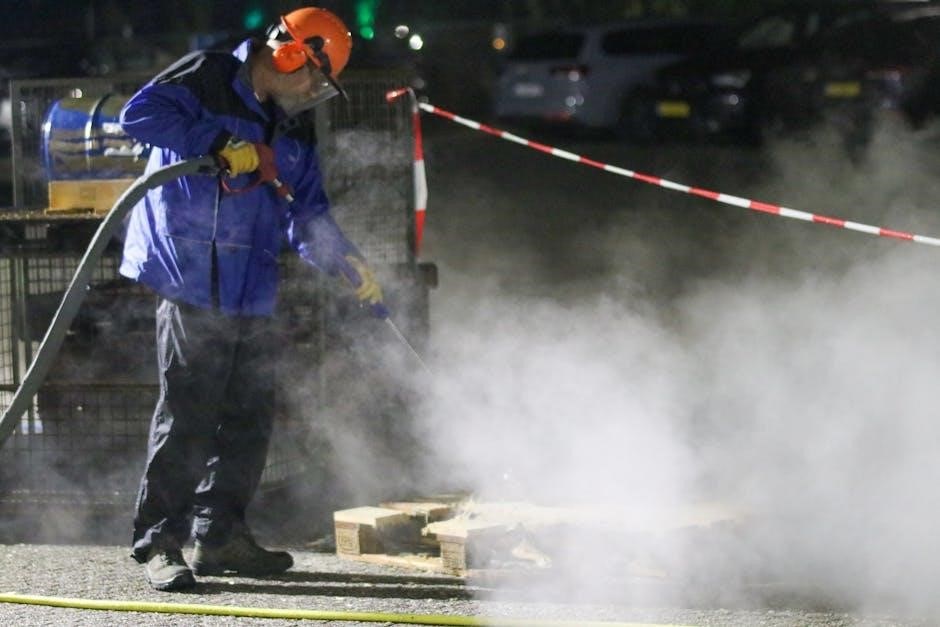
Protecting your pressure washer from freezing temperatures is vital. Before storing for winter, completely drain all water from the pump, hoses, and wand to prevent cracking and corrosion. Disconnect the water supply and run the engine briefly until no water remains. Add pump protector (antifreeze specifically designed for pressure washers) to the pump intake, following the product instructions.
Further steps include emptying the fuel tank or adding fuel stabilizer to prevent fuel degradation. Remove the spark plug and pour a small amount of oil into the cylinder, then pull the starter cord to distribute it. Store the unit in a dry, protected location. Proper winterization ensures easy startup and prevents costly repairs in the spring.
Simpson Pressure Washer Parts and Accessories
Enhance your Simpson pressure washer’s capabilities with genuine parts and accessories. Commonly replaced parts include nozzles, hoses, unloader valves, and O-rings, readily available online and at authorized dealers. Consider accessories like surface cleaners for driveways and patios, rotating brushes for stubborn grime, and foam cannons for applying detergents effectively.

Choosing the right parts is crucial. Always verify compatibility with your specific model number. Simpson offers a wide range of replacement parts to maintain optimal performance. Investing in quality accessories expands the versatility of your pressure washer, tackling diverse cleaning tasks with ease. Regularly inspect and replace worn parts to prolong the lifespan of your equipment.
Finding Simpson Pressure Washer Manuals and Support
Accessing Simpson’s comprehensive support resources is straightforward. Official manuals, detailing operation, maintenance, and troubleshooting, are available for download on the Simpson Power Washer website. Utilize the model number lookup tool to pinpoint the correct documentation for your unit. Beyond manuals, Simpson provides FAQs, how-to videos, and a dedicated customer service team reachable via phone or email.
Online forums and communities dedicated to pressure washing can also offer valuable insights and peer-to-peer support. When contacting support, have your model and serial number ready for efficient assistance. Don’t hesitate to leverage these resources to maximize your pressure washer’s performance and address any concerns promptly.