
Historically, remote start systems were considered incompatible with manual transmissions, raising safety concerns about unintended vehicle movement. However, recent advancements, particularly from Compustar, demonstrate that reliable remote start functionality is achievable with manual vehicles.
Online forums, like Jeep Wrangler and Tacoma communities, showcase successful implementations, highlighting the need for specific procedures—neutral gear and engaged parking brake—to ensure safety.
Discussions on Reddit’s r/mechanics further confirm the possibility, while acknowledging the importance of addressing potential system malfunctions and prioritizing professional installation.
The Historical Perception
Traditionally, the automotive industry and enthusiasts widely believed remote start systems were fundamentally incompatible with manual transmission vehicles. This perception stemmed from legitimate safety concerns – the potential for a vehicle to unexpectedly shift into gear and move, causing accidents or damage. Early remote start technology lacked the sophisticated safeguards necessary to reliably prevent such scenarios with a manual gearbox.
Consequently, manufacturers largely avoided offering remote start as an option on manual transmission models, reinforcing the notion that it simply couldn’t be done safely. This long-held belief persisted for many years, shaping consumer expectations and limiting exploration into viable solutions.
Debunking the Myth: Is it Possible?
Recent developments, spearheaded by companies like Compustar, have demonstrably proven that remote starting a manual transmission vehicle is indeed possible. Through innovative engineering and sophisticated safety protocols, the inherent risks associated with a manual gearbox can be effectively mitigated. Online discussions within Jeep Wrangler and Tacoma forums showcase successful installations and user experiences.
These systems utilize features like neutral safety switch overrides and mandatory parking brake engagement to prevent unintended movement. The initial skepticism is fading as evidence mounts, challenging the long-held myth of incompatibility.
How Remote Start Systems Work with Manual Transmissions
Systems integrate a neutral safety switch override, requiring the vehicle to be in neutral, alongside parking brake engagement, and a specific key fob procedure for activation.
Neutral Safety Switch Override
Traditionally, manual transmission vehicles utilize a neutral safety switch preventing starting unless in neutral or park. Remote start systems circumvent this by temporarily overriding the switch during activation, but only after verifying the vehicle is safely in neutral.
This override is a critical component, ensuring the engine won’t engage drive while remote starting. Sophisticated systems, like those from Compustar, employ multiple checks to confirm neutral position before allowing ignition, prioritizing safety and preventing unintended movement.
Proper installation and programming are vital for this override to function correctly.
Parking Brake Engagement Requirement
A fundamental safety feature of manual transmission remote start systems is the mandatory parking brake engagement. Systems, as discussed in Tacoma forums, will not initiate remote start unless the parking brake is firmly applied. This prevents any possibility of vehicle roll or movement during the start-up sequence.
The parking brake acts as a crucial secondary safety measure, complementing the neutral safety switch override. Compustar systems specifically require this engagement, ensuring a secure remote start process. Consistent brake application is vital for reliable operation.
Key Fob Procedure Integration
Remote start activation for manual transmissions typically involves a specific sequence on the key fob, as noted in online discussions. This procedure often requires a prolonged press or a combination of button presses to differentiate it from standard lock/unlock functions. Compustar systems integrate seamlessly with existing key fobs, adding this functionality.
The fob sequence confirms driver intent and initiates the pre-start checks—neutral position and parking brake engagement—before allowing the engine to start. This integration provides convenient, secure remote operation.
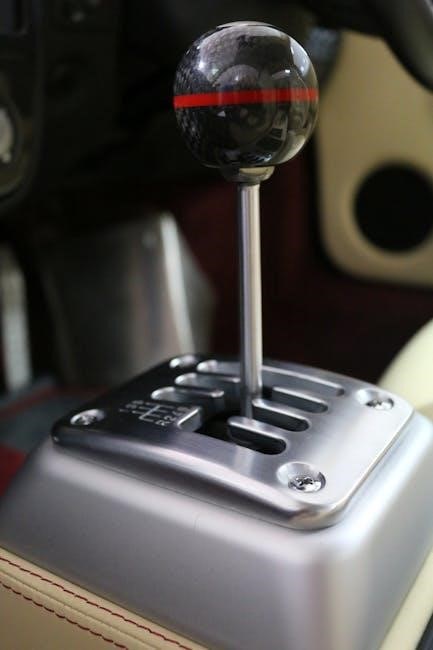
Compustar Systems and Manual Transmissions
Compustar leads the market in providing remote start solutions for manual transmission vehicles, overcoming traditional limitations through innovative technology and safety protocols. Their systems require specific pre-start conditions.
Compustar’s Approach to Manual Vehicle Remote Start
Compustar tackles the challenge of manual transmission remote start by integrating a multi-layered safety system. This involves a mandatory Neutral Safety Switch override, ensuring the vehicle cannot start unless in neutral. Simultaneously, the parking brake must be firmly engaged, preventing any unintended movement upon startup.
Crucially, Compustar’s systems don’t simply bypass safety features; they enhance them. The key fob procedure integrates these checks, demanding driver confirmation before activation. This approach, detailed in Compustar’s blog, prioritizes safety while delivering the convenience of remote starting for stick-shift vehicles, addressing historical concerns.
Specific Compustar Models Compatible
Compustar doesn’t offer a universal “one-size-fits-all” solution; compatibility varies by vehicle make and model. However, their ADS2-F5 and ARM-AL systems are frequently utilized for manual transmissions, often requiring a CAN-bus module for seamless integration.
Notably, Jeep Wrangler (JL/JLU) and Toyota Tacoma (4th Gen) owners have reported successful installations with these systems. Forum discussions indicate that older Compustar models may work, but require more complex wiring and programming. Checking Compustar’s website or consulting a certified installer is crucial for accurate compatibility.
Installation Considerations for Compustar
Professional installation is strongly recommended due to the complexity of integrating remote start with a manual transmission. Crucially, the neutral safety switch must be correctly overridden, and the parking brake engagement reliably detected.
Wiring requires careful attention to the vehicle’s CAN-bus system, and the Compustar module’s placement should avoid interference. Proper programming is vital to ensure the system demands the pre-start checklist – neutral gear and parking brake – before activation. Incorrect installation can lead to malfunctions or safety hazards.

Safety Concerns and Mitigation
Primary concerns involve potential unintended vehicle movement, necessitating robust safety measures like neutral-gear and parking-brake requirements. System malfunctions pose risks, demanding careful installation and regular checks.
Potential for Unintended Vehicle Movement
The core safety challenge with remote starting a manual transmission vehicle lies in the possibility of the car unexpectedly shifting into gear. Without safeguards, this could lead to uncontrolled movement, posing a significant risk of property damage or personal injury.
Mitigation relies heavily on the system’s ability to verify the vehicle is in neutral and the parking brake is firmly engaged before initiating the start sequence. Compustar systems, for example, incorporate these checks as fundamental safety protocols, preventing activation if these conditions aren’t met. Proper installation and consistent user adherence to the pre-start checklist are also crucial.
Addressing System Malfunctions
Potential malfunctions in a manual transmission remote start system demand careful consideration. Issues could range from failing to recognize a properly engaged parking brake to erroneously initiating the start sequence despite being in gear. These scenarios can lead to unsafe conditions or electrical problems within the vehicle’s system.
Regular system checks and prompt attention to any warning signs are vital. Professional diagnostics are recommended to identify and rectify faults, ensuring the system operates reliably and safely. Ignoring malfunctions could compromise the vehicle’s security and potentially cause damage.
Importance of Professional Installation
Professional installation is paramount when equipping a manual transmission vehicle with a remote start system. Incorrect wiring or module placement can compromise safety features, potentially leading to unintended vehicle movement or system failure. Experienced technicians understand the nuances of manual transmission integration.
They ensure proper override of the neutral safety switch and correct programming of the key fob procedure. DIY attempts, while tempting, often lack the precision and expertise needed for a reliable and safe installation, potentially voiding warranties or insurance coverage.
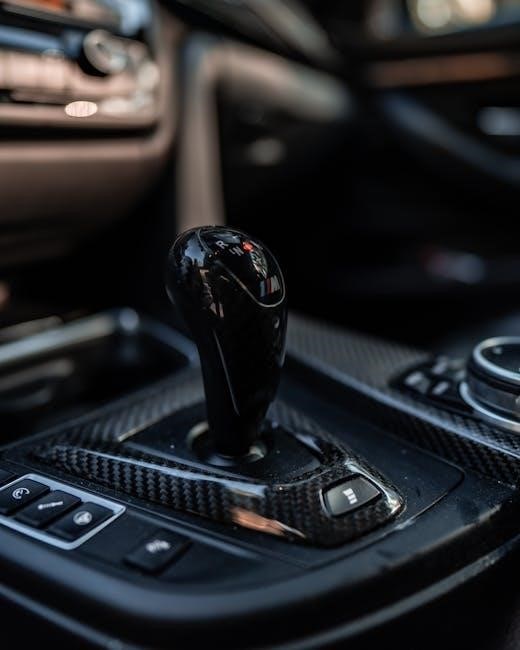
The Procedure for Using Remote Start
Successful remote start requires a specific sequence: ensure the vehicle is in neutral, the parking brake is engaged, and then activate the system via the key fob.
Expect a slightly extended shut-off procedure as you adapt to this added safety step.
Pre-Start Checklist: Neutral, Brake, and Ignition
Before initiating the remote start, a meticulous pre-start checklist is absolutely crucial for safety and proper operation. First, verify the vehicle is firmly placed in neutral gear; this prevents any unintended movement upon startup.
Next, ensure the parking brake is fully engaged, providing a secondary layer of security against rolling. Finally, confirm the ignition is in the ‘off’ position.
These three steps – neutral, brake, and off – are non-negotiable prerequisites, forming the foundation for a safe and reliable remote start experience with a manual transmission vehicle.
The Remote Start Activation Sequence
The activation sequence typically involves a specific button press or combination on the key fob, initiating the remote start process. Following the pre-start checklist – neutral, parking brake, ignition off – is paramount. The system then verifies these conditions before allowing the engine to start remotely.
Expect a slight delay as the system runs through its safety checks. Successful activation results in the engine starting, pre-conditioning the vehicle’s interior.
Remember, this sequence is designed to prioritize safety and prevent unintended operation.
Adjusting to the Added Shut-Off Procedure
Remote start systems for manual transmissions often necessitate an adjusted shut-off routine. Unlike standard vehicles, these systems typically require an extra step or sequence to fully disable the engine after remote starting. This addition, reported to take approximately 20-30 seconds, ensures complete system disengagement.
Initially, this may feel cumbersome, but users quickly adapt to the added procedure. Consistent practice builds muscle memory, making the shut-off process seamless and intuitive over time.
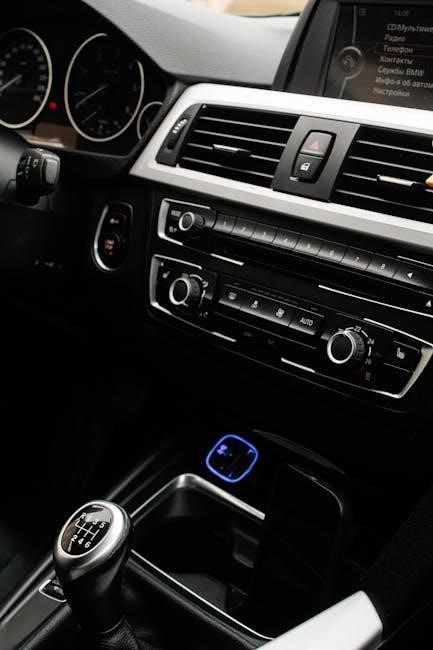
Vehicle-Specific Considerations
Compatibility varies; Jeep Wranglers (JL/JLU) and Toyota Tacomas (4th Gen) are frequently discussed regarding successful remote start integration. Other makes and models require individual assessment for proper system implementation.
Jeep Wrangler (JL/JLU) Compatibility
Jeep Wrangler (JL/JLU) owners frequently explore remote start options, with numerous forum posts detailing successful installations. Compustar systems are often cited as a reliable choice for these vehicles, though proper configuration is crucial. The process typically involves ensuring the vehicle is in neutral, the parking brake is engaged, and a specific fob sequence is followed.
Users report a slight adjustment period to the added shut-off procedure, adding approximately 20-30 seconds to the normal process. However, the convenience of remote starting, especially in varying climates, outweighs this minor inconvenience for many Wrangler enthusiasts. Professional installation is highly recommended to guarantee safety and functionality.
Toyota Tacoma (4th Gen) Implementation
Toyota Tacoma (4th Gen) owners are actively discussing remote start solutions for their manual transmission trucks on dedicated forums. Like the Jeep Wrangler, successful implementation hinges on a specific pre-start checklist: neutral gear selection and firm engagement of the parking brake are essential. Compustar is frequently mentioned as a compatible system.
Users acknowledge a learning curve, noting the addition of 20-30 seconds to the shutdown procedure as the system confirms safety parameters. Despite this, the convenience of warming or cooling the Tacoma remotely is highly valued, particularly in extreme weather conditions. Professional installation is strongly advised.
Other Vehicle Makes and Models
Beyond Jeep and Toyota, the feasibility of remote start for manual transmissions extends to a wider range of vehicles, though compatibility varies. Online discussions suggest successful installations in various makes, but often require customized solutions and expert programming. Compustar remains a frequently recommended brand for its adaptability.
Crucially, the core safety requirements – neutral position and engaged parking brake – are universally applicable. Vehicle-specific wiring and module placement are essential for reliable operation. Professional installers possess the knowledge to navigate these complexities, ensuring a safe and functional system.
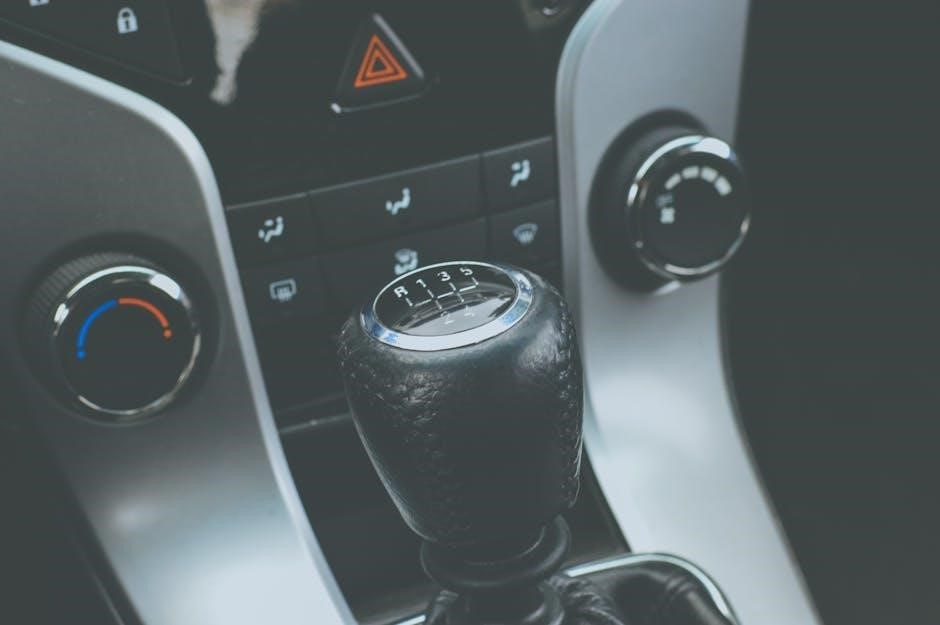
Installation Process Overview
Professional installation is highly recommended, involving careful wiring and module placement. Programming the system to recognize the manual transmission’s safety requirements—neutral and parking brake—is crucial for proper function.
Professional Installation vs. DIY
While a DIY approach to remote start installation might seem cost-effective, the complexities of integrating with a manual transmission strongly favor professional expertise. Incorrect wiring or improper programming could compromise vehicle safety, potentially leading to unintended movement or electrical issues.
Certified installers possess the knowledge to correctly bypass the neutral safety switch and ensure the parking brake engagement requirement is flawlessly implemented. They also have diagnostic tools to verify system functionality and address any compatibility concerns specific to the vehicle’s make and model, guaranteeing a secure and reliable installation.
Wiring and Module Placement
Successful remote start installation necessitates careful wiring and strategic module placement. The system requires connection to the vehicle’s ignition, starter, neutral safety switch, and parking brake circuits, demanding precision and adherence to wiring diagrams. Module placement should prioritize accessibility for future diagnostics while protecting it from moisture and extreme temperatures.
Proper grounding is crucial for reliable operation, and wire routing must avoid moving parts or potential heat sources. Professional installers utilize secure connectors and ensure all wiring is neatly organized and protected, minimizing the risk of shorts or interference.
Programming the System
Post-installation, the remote start system requires meticulous programming to recognize the vehicle’s specific parameters and safety protocols. This process involves configuring the system to verify the parking brake is engaged and the transmission is in neutral before allowing a remote start. Sophisticated systems, like Compustar, utilize a smartphone app or a dedicated programming interface.
Correct programming ensures the system functions flawlessly and prevents unintended starts. Professional installers possess the expertise and tools to accurately program the system, optimizing performance and safety features.
Cost Analysis
Remote start systems for manual transmissions typically range from $150 to $500 for the unit itself, with installation labor adding another $100 to $300. Potential long-term savings on fuel and vehicle wear are benefits.
Remote Start System Costs
The financial investment for a remote start system tailored to manual transmissions varies considerably based on features and brand reputation; Basic systems can start around $150, offering fundamental remote activation capabilities. However, more sophisticated systems, like those from Compustar, with extended range and smartphone integration, can easily exceed $500.
Additional costs arise from the complexity of installation, particularly with manual vehicles requiring specific safety overrides. Higher-end systems often include advanced security features, contributing to a greater upfront expense, but potentially offering enhanced protection against theft and unauthorized use.
Installation Labor Costs
Professional installation of a remote start system in a manual transmission vehicle typically ranges from $150 to $500, depending on the vehicle’s complexity and the installer’s labor rates. Manual transmissions require additional wiring and safety override configurations, increasing installation time and expertise needed.
DIY installation is possible for experienced individuals, but carries risks of improper wiring or system malfunction. Choosing a reputable installer ensures correct functionality and minimizes potential safety hazards, justifying the labor cost for peace of mind.
Potential Long-Term Savings
Remote start systems can offer long-term savings by reducing vehicle wear and tear, particularly in extreme climates. Pre-heating or cooling the cabin minimizes engine strain during cold starts and lessens the need for prolonged idling.
Fuel efficiency may improve slightly as the engine reaches optimal temperature faster. While the initial investment is significant, the convenience and potential reduction in maintenance costs contribute to long-term value, especially for frequently used manual transmission vehicles.
Troubleshooting Common Issues
Common problems include system unresponsiveness, starting failures, and false alarms. Checking the key fob battery, ensuring proper wiring, and verifying the neutral/brake sequence are crucial first steps.
System Not Responding
If the remote start system fails to respond, begin by verifying the key fob’s battery. A depleted battery is a frequent cause of communication failure. Next, confirm the system is armed and hasn’t been inadvertently disabled.
Inspect the vehicle’s battery; low voltage can prevent the remote start from functioning correctly. Check the wiring connections to the remote start module, ensuring they are secure and free from corrosion. Finally, consult the system’s manual or a professional installer to diagnose more complex issues.
Vehicle Not Starting
If the remote start activates but the vehicle doesn’t start, several factors could be at play. First, ensure the vehicle is truly in neutral with the parking brake firmly engaged – a crucial safety requirement. Next, verify the fuel system is functioning correctly; a lack of fuel pressure will prevent ignition.
Check for any error codes using an OBD-II scanner, as these can pinpoint underlying issues. Finally, a faulty neutral safety switch override or a problem with the system’s programming could be the culprit, requiring professional diagnosis.
False Alarms and Security Concerns
With any aftermarket system, the potential for false alarms exists, potentially draining the battery or causing neighborhood disturbances. Proper installation and sensitivity adjustments are vital to minimize these occurrences. Security is paramount; ensure the remote start system doesn’t compromise the vehicle’s existing security features.
Compromised security could allow unauthorized access or vehicle operation. Choosing a reputable brand like Compustar, with robust encryption, is crucial. Regularly check for system updates to address vulnerabilities.
Legal and Insurance Implications
Local regulations regarding remote starters vary, so check your area’s laws. Modifications may affect insurance coverage or even void the vehicle’s warranty, requiring careful consideration.
Local Regulations Regarding Remote Start
Determining legality is crucial before installing a remote start on a manual transmission vehicle, as regulations differ significantly by location. Some jurisdictions may have specific restrictions or require professional installation certification to ensure safety standards are met.
It’s essential to investigate local ordinances and state laws concerning vehicle modifications, particularly those impacting safety systems. Ignoring these regulations could result in fines or issues during vehicle inspections. Furthermore, certain areas might prohibit unattended vehicle operation, potentially impacting remote start usage.
Always verify compliance with all applicable laws to avoid legal complications and ensure responsible modification of your vehicle.
Insurance Coverage and Modifications
Modifying a vehicle with a remote start, even on a manual transmission, can impact insurance coverage. It’s vital to inform your insurance provider about the installation, as failing to do so could jeopardize claims in case of an accident or theft.
Some insurers may view the modification as increasing risk, potentially leading to higher premiums or even policy cancellation; Conversely, professionally installed systems with safety features might qualify for discounts.
Always confirm how the remote start affects your policy to avoid unexpected issues and maintain adequate coverage.
Potential Voiding of Warranty
Installing a remote start system on a vehicle with a manual transmission introduces potential warranty concerns, particularly regarding the electrical system. Manufacturers may argue that aftermarket modifications, even professionally done, contribute to failures not covered under the original warranty.
Specifically, issues stemming from wiring, module integration, or system malfunctions could be attributed to the remote start, leading to denied claims. Carefully review your vehicle’s warranty documentation and consult with a dealership before installation.
Documenting the installation process with a qualified technician can help protect your warranty rights.
Future Trends in Remote Start Technology
Emerging trends include smartphone integration for enhanced control, advanced safety features preventing unintended movement, and improved system reliability addressing potential malfunctions.
These innovations promise a more seamless and secure remote start experience for manual transmission vehicles.
Smartphone Integration
The future of remote start increasingly involves smartphone integration, offering users unparalleled control and convenience beyond traditional key fob operation. Dedicated mobile applications will allow for remote vehicle status monitoring, including confirmation of parking brake engagement and gear position—critical safety checks for manual transmissions.
Advanced features could include customizable start timers, geofencing capabilities, and even the ability to remotely adjust cabin temperature before entering the vehicle. Seamless integration with existing smartphone ecosystems will provide a user-friendly experience, enhancing the overall functionality and accessibility of remote start systems for manual vehicles.
Advanced Safety Features
Future remote start systems for manual transmissions will prioritize enhanced safety protocols, moving beyond basic neutral and parking brake confirmations. Sophisticated algorithms could analyze vehicle sensor data to detect potential hazards before initiating a remote start, preventing unintended movement.
Integration with vehicle stability control and anti-rollback systems will further mitigate risks. Real-time diagnostics will monitor system health, alerting users to potential malfunctions. Multi-factor authentication via smartphone apps will prevent unauthorized access, ensuring secure operation and peace of mind.
Improved System Reliability
Addressing concerns about potential system malfunctions, future remote start systems for manual transmissions will focus on robust design and rigorous testing. Enhanced module construction will withstand extreme temperatures and vibrations, minimizing failures. Redundant safety circuits will provide backup functionality in case of component issues.
Over-the-air software updates will allow for continuous improvement and bug fixes, ensuring optimal performance. Self-diagnostic capabilities will proactively identify and report potential problems, preventing unexpected downtime and enhancing user confidence.