
JS Bull Ebike Controller Manual: Overview
This manual details the JS Bull ebike controller‚ covering functionality‚ wiring‚ display compatibility‚ installation‚ programming‚ troubleshooting‚ specifications‚ and safety.

Controller Functionality
The JS Bull ebike controller serves as the central nervous system of your electric bicycle‚ meticulously managing power delivery from the battery to the motor. It precisely regulates speed‚ acceleration‚ and braking‚ ensuring a smooth and responsive riding experience. Advanced features include regenerative braking‚ which captures energy during deceleration to extend battery life‚ and motor protection mechanisms preventing overheating or damage.
This controller supports various pedal assist system (PAS) levels‚ allowing riders to customize the level of assistance provided by the motor. Sophisticated algorithms optimize power output based on rider input and terrain conditions. Furthermore‚ the controller incorporates crucial safety features like over-current and short-circuit protection‚ safeguarding both the rider and the ebike components. It’s designed for efficient operation and reliable performance‚ enhancing your overall ebike journey.
Wiring Diagrams
Detailed wiring diagrams are crucial for the correct installation and operation of the JS Bull ebike controller. These diagrams illustrate the precise connections between the controller‚ battery‚ motor‚ display‚ throttle‚ PAS sensor‚ and other components. Each wire is clearly labeled with its function and corresponding connector type.
Pay close attention to color coding and pin assignments to avoid incorrect connections‚ which could damage the controller or other ebike parts. Diagrams showcase both standard and optional wiring configurations‚ accommodating various ebike setups; Always double-check all connections before powering on the system. Proper grounding is essential for safety and performance. Refer to the provided schematics for specific instructions related to your controller model‚ ensuring a secure and functional electrical system.
Display Compatibility
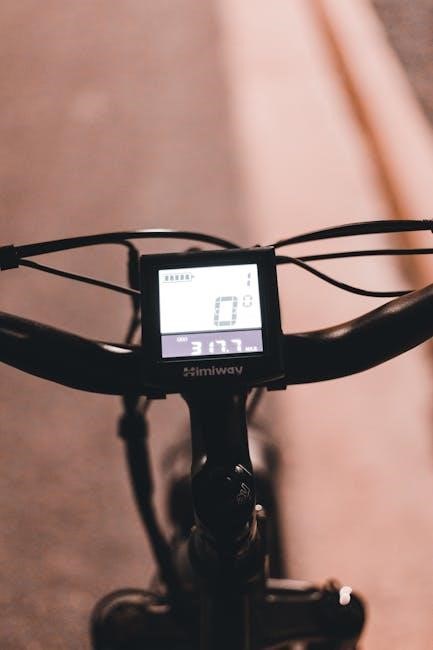
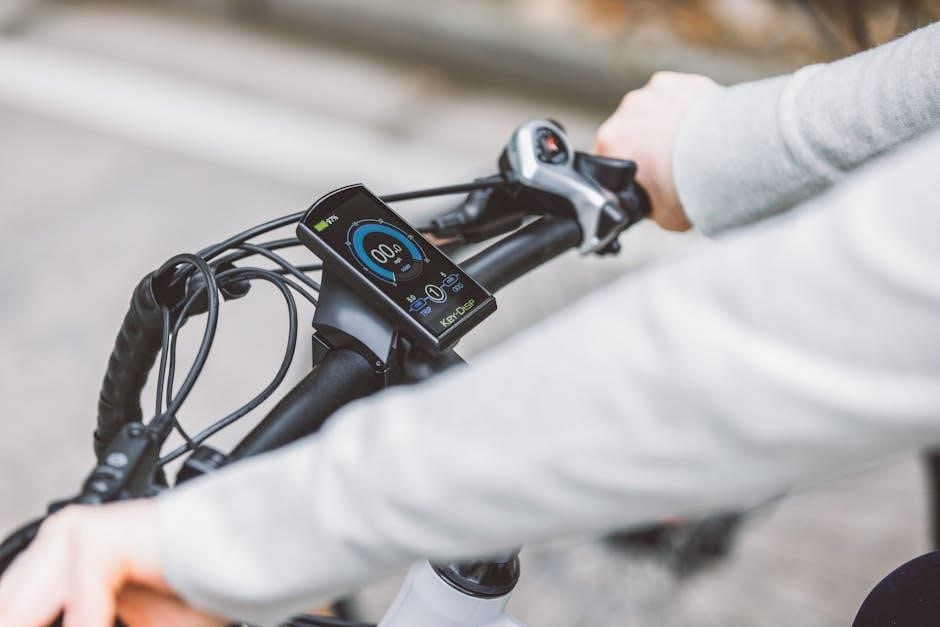
The JS Bull ebike controller is designed to be compatible with a wide range of displays‚ offering riders essential information during their journeys. Supported displays typically include LCD and LED models‚ showcasing speed‚ battery level‚ assistance level‚ distance traveled‚ and error codes. Compatibility varies depending on the controller version and display protocol (e.g.‚ UART‚ CAN bus).
Ensure the display you choose is specifically listed as compatible with the JS Bull controller to guarantee proper functionality. Incorrect display connections can lead to inaccurate readings or system malfunctions. The manual provides a list of tested and approved displays‚ along with detailed connection instructions. Consider features like backlight brightness and data visibility when selecting a display for optimal user experience.
Installation Guide
Proper installation is crucial for optimal performance and safety. This section details mounting‚ motor connection‚ and battery connection procedures for the JS Bull controller.
Mounting the Controller
Securely mounting the JS Bull controller is paramount for reliable operation and protection from vibration and environmental factors. Select a location that offers adequate ventilation to prevent overheating‚ avoiding direct exposure to water or excessive dust.
Utilize the provided mounting brackets and hardware‚ ensuring they are firmly attached to a stable part of the ebike frame. Avoid mounting the controller near moving parts or areas prone to impact; Double-check that all connections have sufficient slack to prevent strain during handlebar movement or suspension travel.
Consider using rubber grommets or padding between the controller and the frame to further dampen vibrations. Proper mounting minimizes the risk of damage to the controller and ensures consistent performance throughout your rides.
Connecting the Motor
Properly connecting the motor to the JS Bull controller is crucial for efficient power delivery and optimal performance. Identify the motor phase wires – typically three wires of different colors – and match them to the corresponding terminals on the controller.
Ensure the connections are secure and well-insulated to prevent short circuits. Incorrect wiring can lead to motor damage or controller failure. If your motor has Hall sensors‚ connect them to the designated Hall sensor terminals on the controller‚ paying close attention to the correct order.
Double-check all connections before powering on the system. A loose connection can cause intermittent operation or sparking. Refer to the motor and controller wiring diagrams for specific instructions and polarity information.
Battery Connection
Connecting the battery to the JS Bull controller requires utmost care due to the high voltages involved. First‚ ensure the controller is switched off. Identify the positive (+) and negative (-) terminals on both the battery and the controller. Connect the positive wire from the battery to the positive terminal on the controller‚ and the negative wire to the negative terminal.
Always use appropriately sized wiring and fuses to protect the system from overcurrent. A fuse should be placed as close to the battery’s positive terminal as possible.
Double-check the polarity before making the final connection; reversed polarity can instantly damage the controller. Securely fasten all connections to prevent accidental disconnection during operation.
Programming and Configuration
Customize your JS Bull ebike’s performance using the programming cable and software. Adjust parameters like speed limits‚ acceleration‚ and motor current for optimal riding.
Using the Programming Cable
The JS Bull controller requires a specific programming cable‚ typically a USB to serial adapter‚ to connect to your computer. Ensure you download and install the correct software from the manufacturer’s website before proceeding.
Connect the programming cable to the designated port on the controller – usually a multi-pin connector. Once connected‚ launch the programming software. The software should automatically detect the controller; if not‚ manually select the correct COM port.
Before making any changes‚ it’s highly recommended to back up the existing controller configuration. This allows you to revert to the original settings if needed. The software interface will display various parameters that can be adjusted. Always exercise caution when modifying these settings‚ as incorrect values can affect performance or damage the controller.

Parameter Settings
Within the programming software‚ numerous parameter settings allow customization of the JS Bull controller’s behavior. Key settings include wheel diameter‚ motor type‚ and voltage configuration. Adjusting the wheel diameter ensures accurate speed readings. Selecting the correct motor type optimizes performance and efficiency.
Other important parameters involve acceleration and deceleration rates‚ which control the responsiveness of the throttle. Current limits can be set to protect the motor and battery from overloads. Regenerative braking strength can also be adjusted‚ influencing the amount of energy recovered during deceleration.
Carefully review each parameter before modification‚ consulting the manufacturer’s documentation for detailed explanations. Incorrect settings can lead to suboptimal performance or even damage. Save changes frequently and test thoroughly after each adjustment.
Speed Limiting
The JS Bull controller allows for configurable speed limiting‚ crucial for adhering to local regulations or personal preferences. Speed limits can be set via the programming software‚ defining maximum allowable speeds for both pedal-assist and throttle modes. This feature enhances safety and ensures compliance.
Multiple speed limits can be programmed‚ potentially linked to different rider modes or power levels. For example‚ a ‘Eco’ mode might have a lower speed limit than a ‘Sport’ mode. The controller utilizes sensor data to enforce these limits‚ preventing the motor from exceeding the programmed maximum speed.
Always verify the accuracy of speed limit settings before operation. Incorrectly configured limits could pose a safety risk. Regularly check local ebike regulations to ensure compliance and adjust settings accordingly.

Troubleshooting
This section provides guidance on diagnosing and resolving common issues with the JS Bull controller‚ including error codes‚ motor problems‚ and battery faults.
Common Error Codes
The JS Bull controller utilizes a series of error codes to indicate specific malfunctions within the ebike system. Understanding these codes is crucial for efficient troubleshooting and repair. Error code 01 typically signals a motor phase failure‚ often due to a disconnected or damaged motor wire. Code 02 indicates a hall sensor error‚ suggesting a problem with the motor’s internal sensors or their wiring.
A code 03 usually points to a throttle position sensor (TPS) issue‚ meaning the controller isn’t receiving accurate input from the throttle. Error 04 often relates to a battery undervoltage condition‚ requiring a battery charge or inspection. Code 05 can signify a brake sensor malfunction‚ potentially causing unintended braking or preventing motor operation. Finally‚ code 06 frequently indicates a communication error between the controller and the display unit‚ necessitating a connection check.
Motor Issues
If your JS Bull ebike experiences motor problems‚ several areas require investigation. A common issue is motor overheating‚ often caused by prolonged high-load operation or insufficient cooling. Check for obstructions blocking airflow around the motor. Another frequent concern is motor cogging‚ a jerky or uneven pedal assist sensation‚ potentially indicating hall sensor problems or controller misconfiguration.
Motor noise‚ such as grinding or squealing‚ can signal bearing wear or internal damage‚ necessitating professional repair or replacement. Reduced motor power may stem from low battery voltage‚ loose wiring connections‚ or a failing controller. Always inspect motor cables for damage and ensure secure connections at both the motor and controller ends. If the motor fails to respond at all‚ verify the phase wires and hall sensor connections.
Battery Related Problems
Addressing battery issues is crucial for your JS Bull ebike’s performance. A common problem is reduced range‚ often due to battery aging‚ improper charging habits‚ or riding in demanding conditions. Always use the recommended charger and avoid fully discharging the battery frequently. If the battery isn’t charging‚ check the charger connection‚ fuse‚ and charging port for damage.
Low voltage readings can indicate a failing battery or a problem with the battery management system (BMS). Swollen or damaged battery cells are a serious safety hazard and require immediate attention – discontinue use and consult a professional. Ensure all battery connections are clean and tight to prevent voltage drops. Regularly inspect the battery pack for any signs of physical damage or corrosion.

Technical Specifications
This section outlines the JS Bull controller’s voltage‚ current ratings‚ dimensions‚ and supported motor types for optimal performance and compatibility.
Voltage and Current Ratings
The JS Bull ebike controller is designed to accommodate a range of battery voltages‚ typically supporting systems from 36V to 72V. It’s crucial to verify your battery’s voltage matches the controller’s specifications before installation to prevent damage.
Current ratings are equally important‚ defining the maximum amperage the controller can handle continuously and in peak bursts. Common models support continuous currents of 15A to 30A‚ with peak currents reaching 40A to 60A for brief periods during acceleration or hill climbing.
Exceeding these current limits can lead to overheating and potential controller failure. The appropriate current rating depends on the motor’s power requirements and the intended usage of the ebike. Always consult the motor’s specifications and choose a controller with sufficient current capacity.
Controller Dimensions
Understanding the physical dimensions of the JS Bull ebike controller is vital for ensuring a proper fit within the ebike’s frame. These controllers typically measure approximately 80mm to 100mm in length‚ 50mm to 65mm in width‚ and 30mm to 40mm in height.
However‚ dimensions can vary slightly depending on the specific model and features. It’s essential to check the exact dimensions listed in the product specifications before purchasing. Consider the available space within your ebike’s battery compartment or mounting location.
Ensure sufficient clearance for wiring connections and heat dissipation. The controller’s mounting holes are usually standardized‚ but verifying their spacing is recommended. Proper fitment prevents damage to the controller and surrounding components‚ ensuring reliable operation.
Supported Motor Types
The JS Bull ebike controller is designed to be versatile‚ supporting a wide range of motor types commonly used in electric bicycles. Primarily‚ it’s compatible with brushed and brushless DC (BLDC) motors‚ catering to diverse ebike configurations. Brushless motors are favored for their efficiency and durability‚ while brushed motors offer a more economical option.
Voltage compatibility is crucial; these controllers typically support 24V‚ 36V‚ and 48V systems. Ensure your motor’s voltage matches the controller’s specifications. The controller also supports hub motors and mid-drive motors‚ offering flexibility in drivetrain choice.
Maximum motor current ratings should be carefully considered to prevent controller overload. Confirm the controller’s amperage capacity exceeds your motor’s requirements for optimal performance and longevity.
Safety Precautions
Always disconnect the battery before working on the controller. Handle lithium batteries with care‚ avoid water exposure‚ and follow proper usage guidelines.
Handling Lithium Batteries
Lithium batteries powering your JS Bull ebike require careful handling to ensure safety and longevity. Always inspect batteries for physical damage – swelling‚ cracks‚ or leaks – before use. Damaged batteries should be immediately disconnected and responsibly recycled.
Never expose lithium batteries to extreme temperatures‚ either heat or cold‚ as this can significantly reduce performance and increase the risk of fire. Avoid short-circuiting the battery terminals‚ which can cause immediate and dangerous overheating.
When charging‚ only use the charger specifically designed for your battery pack. Do not overcharge or leave the battery unattended during charging. Store batteries in a cool‚ dry place‚ away from flammable materials. Proper disposal through designated recycling channels is crucial for environmental safety.
Water Resistance
The JS Bull ebike controller exhibits a degree of water resistance‚ designed to withstand typical riding conditions like rain and wet roads. However‚ it is not fully waterproof. Direct and prolonged exposure to water‚ such as submersion or high-pressure washing‚ can cause significant damage and void the warranty.
All connections‚ particularly those related to the battery and motor‚ should be thoroughly sealed to prevent water ingress. Regularly inspect these connections for corrosion or moisture buildup. Avoid riding through deep water or intentionally exposing the controller to water.
If the controller does become wet‚ immediately disconnect the battery and allow the unit to dry completely before attempting to use it. Consider applying a dielectric grease to connectors for enhanced water protection. Remember‚ preventative measures are key to maintaining the controller’s functionality.
Proper Usage Guidelines
To ensure optimal performance and longevity of your JS Bull ebike controller‚ adhere to these guidelines. Always verify the battery voltage matches the controller’s specified range before operation. Avoid exceeding the controller’s maximum current limits‚ as this can lead to overheating and damage. Regularly check all wiring connections for tightness and integrity.
Do not attempt to disassemble or modify the controller‚ as this will void the warranty and potentially create a safety hazard. Utilize the recommended programming cable and software for parameter adjustments. Avoid abrupt acceleration and braking‚ which can strain the motor and controller.
Store the ebike in a dry environment‚ away from direct sunlight and extreme temperatures. Periodic inspection and maintenance are crucial for reliable operation.