
AP Government Unit 1 focuses on the roots of American democracy, covering foundational concepts, the Constitution’s framework, and key debates between Federalists and Anti‑Federalists․ The guide emphasizes the bicameral legislature, checks and balances, and the role of the Supreme Court Essential for AP exams

Foundations of American Democracy

AP Gov Unit 1 examines early democratic ideals, the influence of Enlightenment thinkers, and the evolution of political thought that shaped the Constitution․ Students analyze how liberty, equality, and popular sovereignty guided the founding documents and early debates․!
Enlightenment Influences
The Enlightenment era introduced revolutionary ideas that reshaped political thought and laid the groundwork for the American Revolution; Thinkers like John Locke, Montesquieu, and Rousseau championed natural rights, separation of powers, and social contract theory․ Locke’s assertion of inherent rights to life, liberty, and property inspired the Declaration’s preamble, while Montesquieu’s tripartite structure informed the Constitution’s division of powers among the legislative, executive, and judicial branches․ Rousseau’s emphasis on popular sovereignty reinforced the notion that legitimate authority derives from the consent of the governed․
American founders adapted Enlightenment principles to the unique context of a new nation; The Federalist Papers, penned by Hamilton, Madison, and Jay, argued for a strong yet limited central government capable of maintaining order and protecting rights․ Anti-Federalists cautioned against excessive centralization, insisting that state governments retain autonomy to safeguard local interests․ This debate underscored the tension between unity and liberty․
In AP Gov Unit 1, students examine how Enlightenment thought shaped foundational documents, the federal structure, and the balance of power․ By tracing the intellectual lineage from European philosophers to American constitutionalists, learners gain appreciation for the ideological roots that continue to shape U․S․ institutions and civic life․ Students see how Enlightenment concepts became constitutional clauses, shaping modern governance and federal state power debate․!!
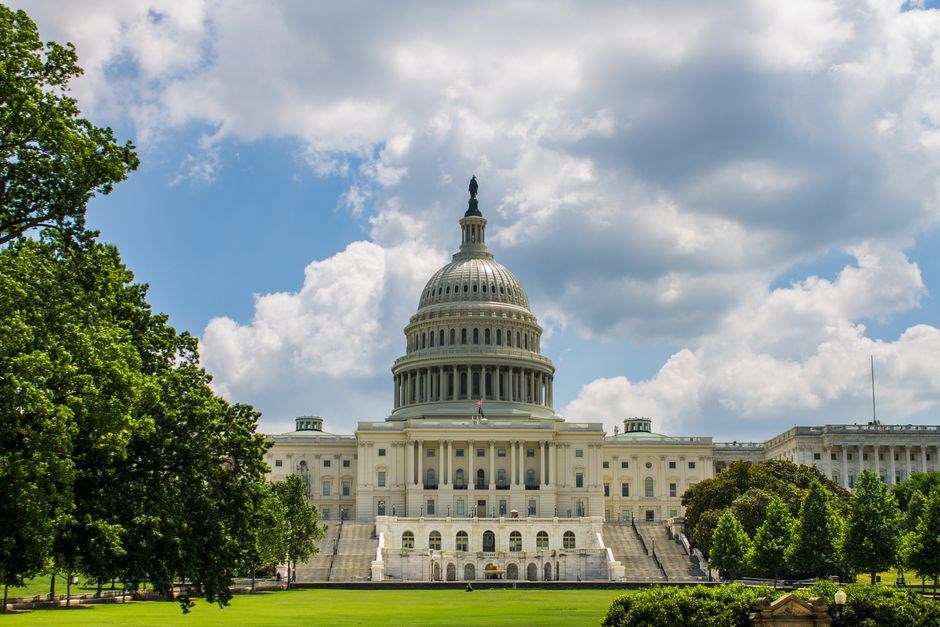
The Federalist Papers and Anti-Federalist Critiques
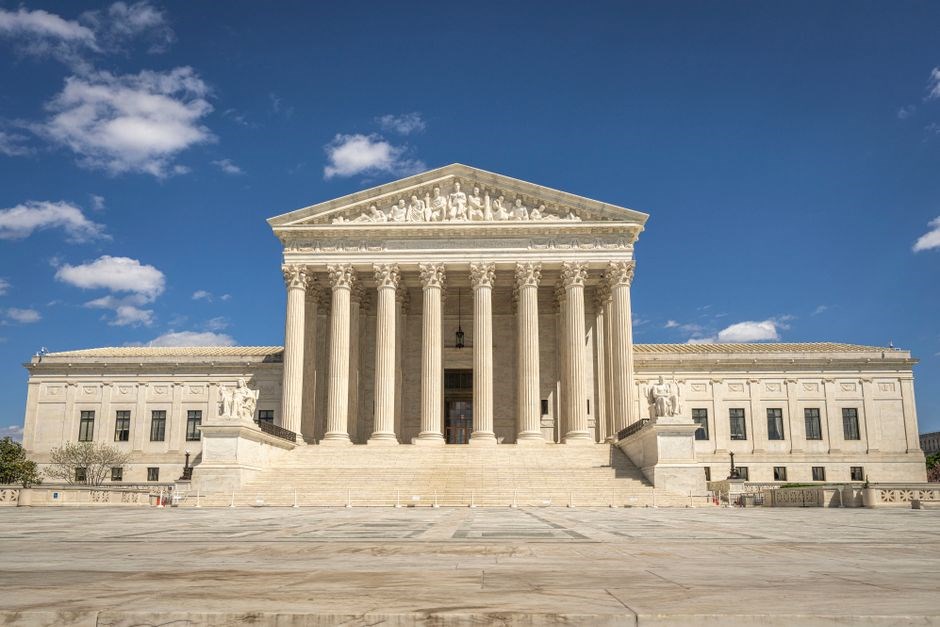
The Federalist Papers, written by Alexander Hamilton, James Madison, and John Jay under the pseudonym Publius, were published from 1787 to 1788 to persuade New England states to ratify the Constitution․ They defended the federal framework, arguing that a strong national government was essential for economic stability, national defense, and protecting liberties․
Opposing the Federalists, Anti‑Federalist critiques came from state leaders such as George Mason and Patrick Henry․ They feared the Constitution’s broad federal powers would erode state sovereignty and threaten individual rights․ Anti‑Federalists demanded a Bill of Rights, stronger property protections, and a limited national legislature, raising concerns over standing armies, taxation without representation, and a tyrannical executive․
AP Government Unit 1 emphasizes the dialectic between Federalist and Anti‑Federalist positions, illustrating how the debates shaped the final Constitution and the inclusion of the Bill of Rights․ By studying primary sources, students evaluate the philosophical foundations of federalism, the role of political persuasion, and the enduring relevance of these early arguments in contemporary constitutional debates․ This foundational analysis informs modern civic engagement

The Constitution: Structure and Principles
The Constitution establishes a federal republic with a system of checks and balances․ It outlines three branches—legislative, executive, judicial—each with defined powers and limits․ The Preamble declares its purpose: to form a more perfect union, ensure justice, and secure liberty․ It balances federal power․!!
Article I: Legislative Branch
Article I establishes Congress, the bicameral legislature, as the sole law‑making body․ It defines the Senate and House of Representatives, detailing membership, qualifications, and terms․ The Senate, with two senators per state, provides equal state representation; the House apportions seats by population, ensuring democratic responsiveness․ Article I enumerates Congress’s powers: levying taxes, borrowing money, regulating commerce, declaring war, raising armies, and maintaining a navy․ It also grants the power to create federal courts below the Supreme Court, to establish a uniform rule of natural justice, and to make all laws necessary and proper for executing its enumerated powers․ The Constitution requires checks: each house must pass identical bills, and the President’s veto can be overridden by a two‑thirds majority in both chambers․ Article I limits congressional power, prohibiting bills of attainder and ex post facto laws, and ensuring the federal government cannot interfere with state legislatures’ authority to enact laws within their borders․ It sets the framework for congressional oversight, including investigation, hearings, and testimony, ensuring accountability and transparency․ This structure balances federal authority with democratic principles, making Congress the central engine of American governance․
Congress uses a committee system covering finance, foreign relations, and judiciary․ Bills usually start in the House, where the Speaker sets the agenda, then move to the Senate, where filibusters can delay legislation․ The Senate’s cloture rule requires a three‑fifths vote to end debate․ Both chambers reconcile differences through conference committees, producing a single text․ The budget process, guided by the Congressional Budget Office and Appropriations Committees, allocates spending․ Article I’s “necessary and proper” clause grants implied powers, enabling institutions like the Federal Reserve․ Checks on Congress include presidential vetoes, judicial review, and state challenges․ This framework keeps the legislative branch powerful yet accountable, balancing public will with constitutional limits․ The interplay of these mechanisms fosters a dynamic legislative process that adapts to evolving societal needs․
Article II: Executive Branch
Article II establishes the President and Vice President, defining the executive branch’s role as the chief law‑enforcer․ It sets qualifications: natural born citizen, at least 35 years old, resident for 14 years․ The election uses the Electoral College, with each state’s electors chosen by its legislature or popular vote․ The President’s term is four years, renewable once, and the line of succession includes the Vice President, Speaker of the House, President pro tempore of the Senate, and cabinet members in order of department creation․
The Constitution grants the President power to enforce laws, command the armed forces, and negotiate treaties, subject to Senate ratification․ It allows executive orders, pardons, and appointments of federal officers, judges, and ambassadors, all requiring Senate confirmation․ The “take care” clause mandates faithful execution of laws, balancing federal authority with state sovereignty․ The President’s veto can be overridden by a two‑thirds majority in both houses, ensuring legislative supremacy․ The President also convenes Congress, grants pardons for federal offenses, and issues proclamations affecting national policy․ The Cabinet, composed of department heads, advises the President and oversees agencies․ The President appoints ambassadors and key officials, reflecting the elected mandate․
The Constitution balances executive authority with accountability, ensuring the head of state remains responsive while upholding limits․
Additionally, the President’s foreign policy authority is exercised through diplomatic recognition, ambassador appointments, and treaty negotiations, all requiring Senate approval․ The executive manages federal agencies to implement policy and maintain administrative efficiency․

Supremacy Clause and Judicial Review
Supremacy Clause declares federal law supreme over state law, ensuring uniformity․ Judicial Review, established in Marbury v․ Madison, empowers courts to invalidate unconstitutional acts, balancing federal and state powers and protecting constitutional integrity․ It also ensures federal supremacy over conflictsUS․
Marbury v․ Madison
In 1803, the landmark Supreme Court case Marbury v․ Madison established the principle of judicial review, granting the judiciary the authority to invalidate laws that conflict with the Constitution․ The case arose when William Marbury, a Federalist appointee, sought a writ of mandamus to compel Secretary of State James Madison to deliver his commission․ Chief Justice John Marshall, writing for the Court, held that while Marbury was entitled to the commission, the Judiciary Act of 1789, which authorized the Court to issue such writs, exceeded the Constitution’s grant of judicial power․ Consequently, the Court declared the relevant portion of the Act unconstitutional, thereby affirming the judiciary’s role as a coequal branch of government․ This decision cemented the concept that the Constitution is the supreme law of the land and that the Supreme Court has the final say in interpreting it․ Marbury v․ Madison remains a foundational case for understanding the balance of powers and the protection of individual rights within the American legal system․
Marbury v․ Madison remains a cornerstone case, illustrating how the judiciary can check the other branches and protect constitutional rights․ The decision clarified that the Supreme Court has the final say on law interpretation, reinforcing the system of checks and balances․ It also set a precedent for future cases involving federal power and state sovereignty, shaping American legal thought for centuries․
Its legacy endures in modern jurisprudence, reminding lawmakers that constitutional limits sacrosanct․

Federalism: States vs․ National Power
Unit 1 explores federalism, contrasting enumerated national powers with reserved state powers․ The guide highlights the balance of authority, the Tenth Amendment’s role, and how state sovereignty interacts with federal mandates, shaping U․S․ governance․ debate!!
Enumerated vs․ Reserved Powers
In the AP Government Unit 1 study guide, the distinction between enumerated and reserved powers is central to understanding federalism․ Enumerated powers are those explicitly granted to the national government in the Constitution, primarily found in Article I, Section 8․ These include the authority to lay and collect taxes, regulate interstate commerce, coin money, declare war, and maintain armed forces․ The text emphasizes that these powers are not exhaustive; the national government may act in other areas as long as it does not infringe upon state sovereignty or violate the Constitution’s limits․ Reserved powers, on the other hand, are those not delegated to the federal government and are retained by the states or the people․ The Tenth Amendment explicitly states that powers not granted to the federal government are reserved for the states or the people․ This includes the regulation of local education, the administration of justice, and the conduct of elections․ The study guide highlights that the balance between these two categories is a recurring theme in U․S․ political debates, especially when federal initiatives intersect with state interests․ For example, the debate over Medicaid expansion under the Affordable Care Act illustrates how federal funds can influence state policy while respecting the states’ ability to set eligibility criteria․ Understanding this dynamic is essential for answering exam questions about the division of power, the role of the Tenth Amendment, and federalism in policy debates․!

Key Supreme Court Cases
AP Gov Unit 1 highlights landmark cases that shape federalism․ Students review McCulloch v․ Maryland, affirming implied powers and national supremacy, and Gibbons v․ Ogden, expanding interstate commerce authority, illustrating judicial balance․ These cases clarify federal limits․
McCulloch v․ Maryland
In 1819, the Supreme Court addressed whether a state could tax a federal institution․ The case arose when Maryland imposed a tax on the Second Bank of the United States, a federally chartered entity․ James McCulloch, the bank’s cashier, refused to pay, arguing that the tax violated the Constitution․ The Court, led by Chief Justice John Marshall, ruled that the federal government possessed implied powers under the Necessary and Proper Clause, allowing the creation of a national bank․ Marshall held that the Constitution’s supremacy clause made state actions that interfered with federal operations unconstitutional․ The decision reinforced that federal law prevails over state law when the two conflict, establishing a precedent for federal supremacy․ It also clarified that the Constitution grants implied powers, not just those explicitly listed․ For AP students, McCulloch is a cornerstone case illustrating the balance between state and national authority, the role of implied powers, and the judicial power to interpret the Constitution․ The ruling emphasized that the federal government has the authority to create institutions necessary for executing its enumerated powers, and that states cannot impede those functions․ This case remains a foundational reference for debates on federalism and the scope of federal legislative power․ Students analyze the Court’s reasoning, noting how the decision reinforced federal supremacy and clarified the scope of implied powers, a core theme in AP US Government exams․ This landmark case remains a staple for understanding federalism in governance

Gibbons v․ Ogden
In 1824, the Supreme Court resolved a dispute over steamboat navigation between New York and New Jersey․ Aaron Ogden held a state‑granted monopoly on river traffic, while Thomas Gibbons operated a competing service under a federal coasting license․ The Court, led by Chief Justice John Marshall, held that the Commerce Clause granted Congress the power to regulate interstate commerce, thereby invalidating state‑issued monopolies that interfered with federal authority․ Marshall emphasized that navigation was a form of commerce and that the federal government had exclusive jurisdiction over interstate trade․ The decision expanded federal regulatory power, ensuring that states could not impede commerce by granting exclusive rights․ For AP students, Gibbons illustrates the reach of the Commerce Clause, the balance between state and federal powers, and the role of the judiciary in interpreting constitutional authority․ The case remains a cornerstone for understanding federalism, economic regulation, and the limits of state control over interstate commerce․
In 1824, the ruling clarified that the federal government could regulate commerce beyond mere transportation, encompassing trade, tariffs, and economic policy․ It set a precedent for future cases involving federal authority over state actions, reinforcing the idea that the Constitution is a living document that adapts to changing economic realities․ Gibbons remains a key reference for students studying the balance of power and the scope of federal regulatory reach․ Its legacy endures in modern commerce law․ Its influence endures in law today․