
What Is Carb Cycling and Its Benefits?
Carb cycling alternates high, low, and moderate carb days, boosting fat loss while preserving muscle. A free carb‑cycling meal‑plan PDF offers 21‑day menus, two free meals weekly on high‑carb days, and easy prep for weight‑loss and lean‑muscle goals. Download the free PDF and customize macros today.
How Carb Cycling Supports Weight Loss and Muscle Gain

Carb cycling strategically alternates carbohydrate intake across training and rest days, creating metabolic flexibility that favors fat oxidation while sparing glycogen for high‑intensity work. On low‑carb days, insulin levels drop, prompting the body to tap deeper fat stores for energy. High‑carb days replenish glycogen, enabling explosive lifts and preventing catabolism of lean tissue. The intermittent insulin spikes also stimulate anabolic signaling pathways such as mTOR, which are essential for muscle protein synthesis.
When paired with a free carb‑cycling meal‑plan PDF, users receive a ready‑made menu that aligns macro ratios with their training cycle. The PDF typically offers two free meals per week on high‑carb days, allowing individuals to enjoy flavorful, carb‑rich dishes without compromising calorie control. This approach reduces the psychological burden of constant restriction, encouraging adherence and long‑term sustainability.
Research indicates that cycling carbs can improve body composition more effectively than constant low‑carb dieting. Participants who followed a structured carb‑cycling program lost an average of 1.5 kg of fat per month while maintaining or increasing lean mass, compared to 0.8 kg in a steady‑state low‑carb group. The cycle also mitigates hormonal disruptions such as decreased leptin and increased cortisol that often accompany prolonged calorie deficits.
Finding Free Carb Cycling Meal Plan PDFs Online
Search reputable sites like DietDoctor, Bodybuilding.com, or free PDF repositories. Use keywords “free carb cycling meal plan PDF” and filter by recent posts. Verify file safety before download.
Download and print for easy reference. Now
Trusted Sources and Download Guidelines
When hunting for a free carb‑cycling meal‑plan PDF, start with well‑known fitness portals that routinely publish evidence‑based nutrition charts. Sites such as Bodybuilding.com, Healthline, and MyFitnessPal host downloadable PDFs that are vetted by dietitians. A second tier of reliable options includes university extension pages (e.g., UCLA Extension Nutrition) and nonprofit health foundations that offer open‑access resources. Always verify the date. Verify the PDF’s date to ensure macro ratios now!! today.
Download guidelines: 1. Scan the PDF for a watermark or a copyright notice that confirms the file is officially released. 2. Use a reputable browser or PDF viewer to check for embedded malware scripts—most legitimate PDFs are flat and free of executable code. 3. Save the file to a dedicated folder and back it up on cloud storage so you can retrieve it if you lose the local copy. 4. If the PDF contains hyperlinks, right‑click to open them in a new tab; this prevents accidental navigation to phishing sites. 5. Finally, bookmark the source page for future reference and to track any updates or errata that may be posted. They are safe for users
By following these steps, you’ll secure a trustworthy, up‑to‑date carb‑cycling meal plan that you can adapt to your training cycle without compromising safety or nutritional integrity.
Keep it for reference now.
Key Components of a Free Carb Cycling Meal Plan PDF
Free PDFs list macro targets, meal timing, and flexible swaps. They detail high‑carb, low‑carb, and moderate days, sample menus, and grocery lists, enabling precise tracking and easy prep for weight‑loss or muscle gain. for all levels!!!
Macro Distribution, Meal Timing, and Flexibility
Free carb‑cycling PDFs provide a clear macro framework: 40–50% carbs on high‑day meals, 20–25% on low‑day meals, and 30–35% on moderate days, with protein set at 25–30% and fats at 25–30%. Meal timing is mapped to activity: pre‑workout snacks at 2–3 h before exercise, a protein‑rich post‑workout shake within 30 min, and balanced dinner within 4 h of the last meal. The PDFs also offer flexibility by listing interchangeable foods—swap quinoa for brown rice, or chicken breast for turkey—allowing users to adjust portions without altering macro totals. Each day’s menu includes a “free meal” option on high‑carb days, encouraging adherence and social flexibility. By following this structure, the plan supports sustained energy, muscle repair, and fat loss while remaining adaptable to lifestyle changes. The PDF also includes a chart for macro percentages per meal, adjusting fly,
Additionally, the PDFs include a “macro calculator” where you input weight, height, activity level, and desired body‑fat goal. The tool outputs daily grams for carbs, protein, and fats, and suggests portion sizes for each meal. It also lists common substitutions: replace sweet potato with butternut squash, swap salmon for tilapia, or use Greek yogurt instead of whole‑milk yogurt. The plan’s flexibility extends to dining out: the PDFs provide a cheat sheet of restaurant options that fit within the macro limits for each day type. Users can plan ahead by preparing bulk grains, roasting vegetables, and portioning protein in advance, which reduces daily cooking time and keeps the diet on track. A grocery list aligns with the meal plan, ensuring you buy what you need for each day.

Sample 21‑Day Carb Cycling Meal Plan
Download the free 21‑day carb‑cycling PDF and follow a rotating schedule: 7 high‑carb days, 7 low‑carb days, and 7 moderate days. Each day lists breakfast, lunch, dinner, and two optional free meals on high‑carb days for social flexibility. Adjust portions to hit macros. Ideal for all fitness levels
High‑Carb, Low‑Carb, and Moderation Days Explained
The free carb‑cycling PDF outlines a 21‑day schedule that alternates high‑carb, low‑carb, and moderation days. High‑carb days supply 50‑70% of calories from carbohydrates to refill glycogen and fuel intense workouts. Low‑carb days drop carbs to 10‑20% to promote fat oxidation while preserving lean mass. Moderation days sit in between, typically 30‑40% carbs, balancing energy and recovery. This rotation keeps metabolism active and prevents plateaus.
Each day in the PDF lists precise meal plans, portion sizes, and macro targets. The design includes a macro calculator, a shopping list template, and a weekly tracker to log daily intake. Users can adjust protein or fat percentages to stay within target ranges. The PDF’s color‑coded tabs make it easy to print and reference, and a companion app offers reminders and progress charts.
Meal timing is key: breakfast and lunch are balanced to sustain energy, while dinner is lean protein with low carbs. Snacks are optional and tailored to carb level. On high‑carb days, a post‑workout shake with oats and fruit replenishes glycogen. On low‑carb days, a protein‑rich snack keeps hunger at bay. This structure supports muscle repair and fat loss.
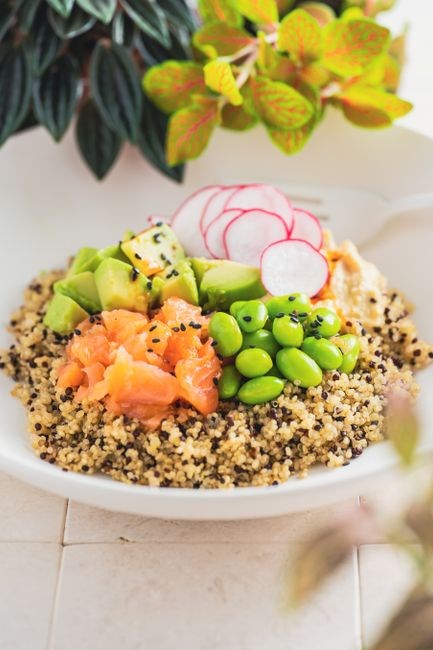
The free meal option allows up to two meals per week on high‑carb days, ideal for social events or holidays. Recipes include quinoa bowls, grilled chicken, roasted veggies, and quick snack options. This flexibility ensures adherence without feeling deprived, making the plan realistic for busy lifestyles.
Consistency over weeks yields lasting results. Pair the plan with resistance training to preserve muscle. Swap meals across days for variety without compromising the carb cycle. Log progress, celebrate wins, adjust as needed!! Consistent hydration keeps you on track.
The PDF also offers a meal‑prep guide with batch‑cooking tips, ingredient swaps, and storage suggestions. It recommends using frozen produce, lean proteins, and whole grains to keep costs low. Users can customize recipes to suit dietary preferences like gluten‑free or dairy‑free without losing macro balance.
Enjoy the journey toward a leaner you! Track your progress, celebrate wins, adjust as needed!! Consistent hydration keeps you on track.

How to Use the PDF for Meal Prep and Grocery Shopping
Print the PDF’s weekly menu, then shop using the integrated list. Batch‑cook proteins, chop veggies, and portion carbs for each day. Store in labeled containers and swap ingredients for variety while keeping macros intact. Enjoy plan !!
Batch‑Cooking Tips and Ingredient Swaps
Start by printing the free carb‑cycling meal‑plan PDF and highlighting the high‑, low‑, and moderate‑carb days. Use a large pot or Dutch oven to simmer proteins (chicken, turkey, or plant‑based) in bulk, seasoning with herbs that match the day’s macro goals. While the protein cooks, steam or roast a variety of vegetables—broccoli, cauliflower, bell peppers, and zucchini—to keep the prep time short.
For the high‑carb days, portion out quinoa, brown rice, or sweet potato into individual containers. On low‑carb days, replace these grains with cauliflower rice or a small serving of whole‑wheat pasta; This swap keeps the calorie count low while still offering a satisfying texture.
Use the PDF’s ingredient list to create a master grocery sheet. Group items by aisle: proteins, grains, veggies, healthy fats, and spices. Buy in bulk where possible—rice, beans, and frozen veggies are cost‑effective and shelf‑stable. When you need a quick change, swap out a protein for a different one (e.g., swap grilled chicken for lentils) or replace a carb source with a low‑glycemic alternative like barley.
Label each container with the day and meal (breakfast, lunch, dinner) to avoid confusion. Store in the fridge for up to three days or freeze portions for later use. When reheating, add a splash of water or broth to keep the dish moist.
Finally, keep a small “swap box” of pantry staples—canned tomatoes, chickpeas, and canned tuna—so you can quickly adjust portions if your schedule changes. This flexibility ensures you stay on track with the free carb‑cycling plan while enjoying variety and convenience—!!!

Tracking Progress and Adjusting the Plan
Use the free carb‑cycling PDF to log daily weight, body fat, and energy. Adjust carb days when progress stalls—add a high‑carb day or reduce protein slightly. Track workouts, sleep, and stress; tweak macros weekly for optimal results; Keep tracking.
Logging Tools and When to Shift Carbs
Free carb‑cycling PDFs usually include a printable log sheet—rows for date, meal, macros, and notes. Pair this with a digital tracker such as MyFitnessPal, Cronometer, or a Google Sheets template that auto‑populates calories and macro totals. Sync the PDF data for a single dashboard. Record body weight, waist circumference, and training intensity every week. When the log shows a steady 0.5‑lb plateau over two weeks, or if energy dips during workouts, it signals a carb shift. Increase a low‑carb day to a moderate day, or add a short high‑carb window (e.g., post‑workout shake). Conversely, if weight loss stalls for three consecutive weeks, consider a brief high‑carb day to replenish glycogen and stimulate metabolism. Adjust the PDF’s macro percentages in 5‑point increments—plus or minus 10% carbs, 5% protein, 5% fat—to fine‑tune results. Use a spreadsheet to calculate the exact grams for each macro based on your target calories. Log subjective measures—sleep quality, mood, and muscle soreness—to catch subtle shifts. Re‑evaluate after each adjustment cycle; sustainable progress requires balancing recovery, training load, and caloric intake. If you notice persistent fatigue or a drop in strength, shift a moderate day to low carb and reduce total calories by 200 kcal. If you’re building muscle and plateaus, add a high‑carb day and increase protein by 5%. The key is to use the PDF’s built‑in flexibility, track consistently, and adjust only after clear data trends emerge.

Safety, Contraindications, and Professional Guidance
Before starting a free carb‑cycling PDF, consult a professional if you have diabetes, kidney issues, or are pregnant. Avoid extreme lows if you feel dizzy or weak. Track electrolytes, stay hydrated, and adjust carbs gradually. A registered dietitian can personalize macros safely. Check blood sugar daily.
When to Consult a Nutritionist or Physician
Even if a free carb‑cycling meal‑plan PDF seems straightforward, certain situations warrant professional input. If you have a chronic condition—diabetes, hypertension, thyroid disorders, kidney disease, or a history of eating disorders—consult a physician before altering carb intake. Pregnant or breastfeeding women should seek guidance to ensure adequate nutrition for both mother and child. Athletes or those training for high‑intensity events may need tailored macro ratios; a sports dietitian can fine‑tune the plan to match training load and recovery needs. If you notice persistent fatigue, dizziness, or unexplained weight changes while following the PDF, a medical evaluation can rule out underlying issues. Additionally, individuals on medication that interacts with carbohydrate levels, such as insulin or beta‑blockers, should coordinate with their prescriber to adjust dosages safely. Finally, if you’re uncertain about portion sizes, food substitutions, or how to incorporate the free PDF into a balanced diet, a registered dietitian can provide personalized coaching, ensuring the plan aligns with your goals and lifestyle. Regular check‑ins—every 4–6 weeks—help track progress, adjust macros, and keep the program safe and effective.
If you have a chronic condition—diabetes, hypertension, thyroid disorders, kidney disease, or a history of eating disorders—consult a physician before altering carb intake.

Pregnant or breastfeeding women should seek guidance to ensure adequate nutrition for both mother and child.
Athletes or those training for high‑intensity events may need tailored macro ratios; a sports dietitian can fine‑tune the plan to match training load and recovery needs.
If you notice persistent fatigue, dizziness, or unexplained weight changes while following the PDF, a medical evaluation can rule out underlying issues.
Additionally, individuals on medication that interacts with carbohydrate levels, such as insulin or beta‑blockers, should coordinate with their prescriber to adjust dosages safely.
Finally, if you’re uncertain about portion sizes, food substitutions, or how to incorporate the free PDF into a balanced diet, a registered dietitian can provide personalized coaching, ensuring the plan aligns with your goals and lifestyle.
Regular check‑ins—every 4–6 weeks—help track progress, adjust macros, and keep the program safe and effective.
For a digital approach, quick free carb‑cycling PDFs include QR codes linking to meal planners. These tools allow you to track daily macros, swap foods, and receive feedback. Pairing the PDF with a nutrition app can streamline logging and keep you accountable without extra cost.